Stop Trusting Analytics Vendors in Small Deals

In short
The analytics dashboard is the least reliable number in a small deal. Here's the trust hierarchy that should replace it.
Buying a small digital business used to involve a short ritual. The seller sent screenshots of their analytics dashboard. The buyer nodded, quietly halved every number they saw, and negotiated from there.
That ritual is still going on. It should stop.
Analytics vendors are, right now, the least reliable piece of the sub-$500k acquisition process. Not the sellers. Not the platforms. The vendors. Their numbers do not match each other. They do not match the numbers the same tool reported six months ago. Two tabs open on the same site, at the same time, return different traffic counts. The screenshots that used to underwrite a deal underwrite nothing now, because the underlying measurement is broken.
For a buyer or seller in this range, the practical question is what to do about it. The answer is not "find a better vendor." The answer is to move most of the weight in a deal onto the numbers no vendor is between you and.
What has actually happened
Three things collided.
Browser-level privacy defaults now block a large share of the tags analytics tools rely on. What used to be a rough undercount is, in some categories, a large one, and the size of the undercount changes by traffic source and by device.
Bot traffic and automated agents have become a meaningful share of visits on many small sites, and vendors report them inconsistently. One tool strips them, the next includes them, a third does something in between and does not tell you which.
And the tools themselves have shifted their measurement models more than once in the last two years. What "session" means, what "user" means, and how the two are joined has moved. Historical comparisons inside the same account no longer describe the same thing.
None of this is a scandal. It is just the state of the tools. Anyone still treating a Google Analytics screenshot as a source of truth in a $30k deal is negotiating against a number that no longer means what it did the last time they saw it.
Why this matters more in small deals than large ones
At venture scale, analytics discrepancies get absorbed by the size of the position and the depth of the diligence process. A large acquisition runs multi-source reconciliation, hires a firm, and tests the numbers against invoices, ad platforms, and customer data over months.
Small deals do not have that budget. A sub-$100k acquisition often closes on a discovery call, a data pack, and a follow-up. The seller's numbers, imperfect as they are, do most of the work – which is exactly why an unreliable measurement layer hurts most here. The buyer is asked to underwrite a purchase against numbers they cannot verify at reasonable cost, from a source they can no longer trust. The seller is asked to defend numbers they themselves half-suspect are wrong. Both sides feel it. Neither has been sure what to do about it.
What to trust instead: the trust hierarchy
The rule to hold both ends of the table to is simple. Trust the numbers that pass through your own hand. Distrust the numbers that pass through someone else's platform on the way to you.
Three sources survive that filter cleanly.
Revenue receipts – Stripe, PayPal, a bank statement, an invoicing tool the seller controls. Money that landed, money that left. This is the closest thing to ground truth in a small deal, and it has not moved in reliability while everything above it has degraded. A buyer who anchors on twelve months of gross payouts and one month of returns knows more about the business than a buyer with an analytics dashboard and no bank export.
The email list – a subscriber file the seller can export themselves, with signup dates and sources. The number is boring. It is also true. A working list is one of the highest-signal assets a small business owns, and its size, engagement, and rate of growth are almost impossible to falsify inside the tool.
The product's own records – the database of who signed up, who paid, who is still active. Those records exist because the product wrote them, not because a script fired.
Everything else – session counts, bounce rates, "unique visitors", top-of-funnel channel breakdowns – belongs a tier down. Read them. Ask questions about them. Do not let them decide the price.
Here is the whole discipline on one card:
| Tier | The numbers | Why they hold | Role in the deal |
|---|---|---|---|
| Trust | Revenue receipts (Stripe, PayPal, bank); the email-list export with signup dates; the product's own user and payment records | They passed through your own hand – money that moved, people who signed up in a system the seller runs | Anchor the price here |
| Context | Sessions, users, unique visitors, bounce rate, channel breakdowns from analytics tools | They passed through a third-party measurement layer that is now unreliable | Read for shape and direction – never for price |
The three files that should carry the deal
For the buyer, this changes the discovery call. Move it off the dashboard. Before the call, ask the seller for three things: their last twelve months of gross receipts, a raw export of the email list with the timestamp column intact, and a subscriber-to-paid conversion rate the seller can calculate themselves from those two files. Talk against those, not the screenshots. If the seller cannot produce them, that is the diligence result – the listing is a projection resting on a measurement layer neither of you controls. It is the same source-first verification that a piece of proportionate due diligence is built around.
For the seller, it changes your pack. Stop leading with the analytics screenshot – it is the least defensible number you have. Lead with revenue: a twelve-month payout summary, month by month, in the currency the buyer will pay in. Lead with your list: its size, its growth curve month by month for the last two years, the sources that fed it. Lead with the product database: active users, paying users, churn, cohorted by month. Those are your numbers. You made them. No vendor is between you and them – and a buyer reading a pack built on those three files will understand your business faster, and pay more for it, than one reading a pack built on dashboard screenshots.
The narrower point
There will be better analytics tools again. Cloudflare's server-side approach looks like a cleaner substitute for parts of what the old tag-based tools claimed to measure. Something else will come after that. Reliability at that layer will return, in some form.
None of it changes the underlying discipline. In a small deal, the numbers that decide the price should be the ones you can trace back to money moving or people signing up in a system the seller runs themselves. Everything above that is context. It is the same reason a listing with revenue verified at source is worth more than one resting on a screenshot taken on trust: the value was never in the dashboard.
Analytics obsession is a category error. It is treating an unreliable narrator as a lead witness. Read them for shape. Read them for direction. Do not let them decide the deal.
More on trust
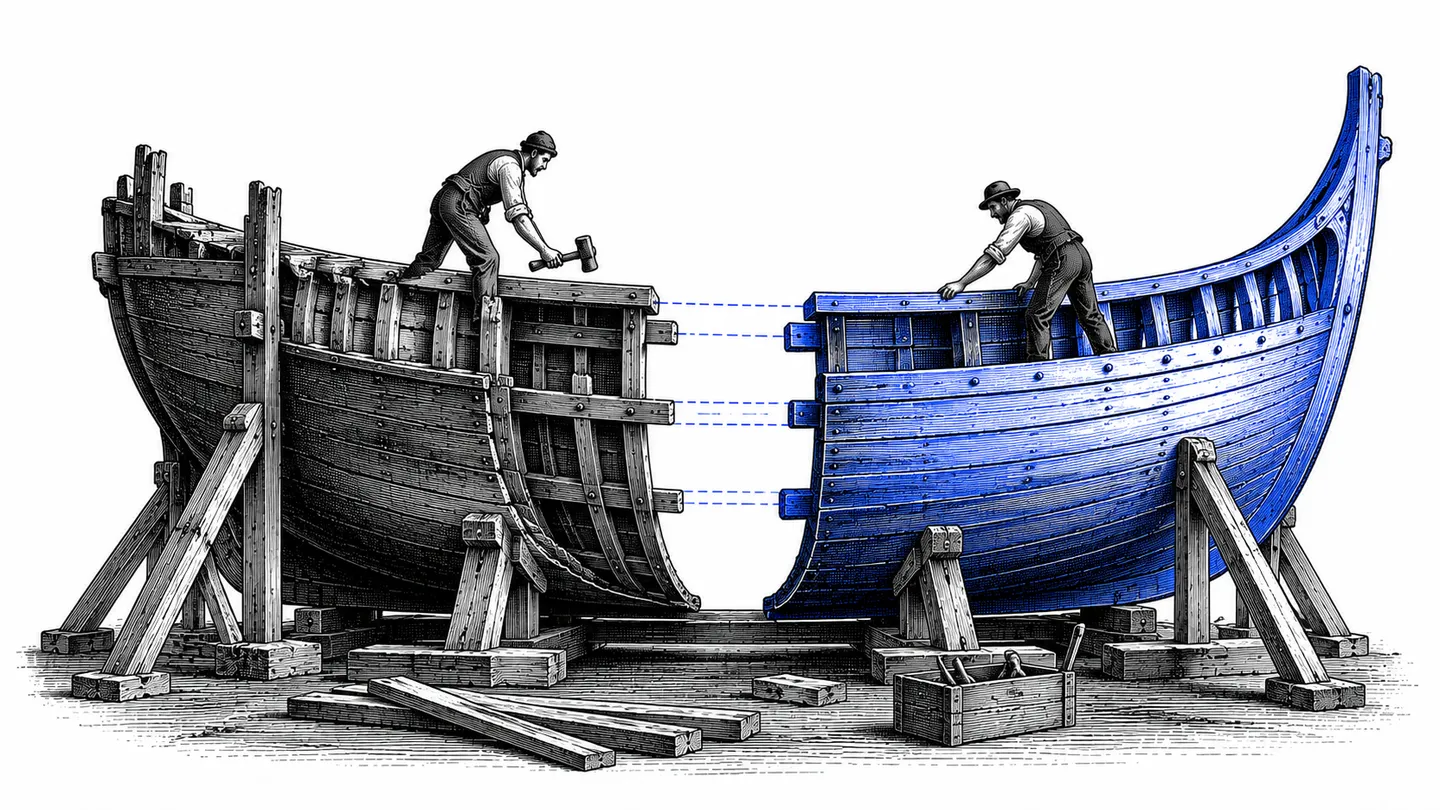
The 50% deal failure stat comes from a world with lawyers and escrow holdbacks. The $40k deal has neither.

Trust in small digital asset deals is established or destroyed before any formal due diligence starts. Here's what to watch for.
The one-evening exercise that halves your sale timeline and stops buyers negotiating against your silence.