The Listing That Closes: What to Show Buyers Before They Ask

In short
Most sellers wait to be asked. The sellers who close quickly answer every buyer question before it's raised.
Every serious buyer arrives at a listing with the same question, even if they never type it out loud: can I run this without you?
Not "is this profitable?" Not "what's the traffic?" Those matter, but they come second. The first filter – the one that decides whether a buyer keeps reading or clicks away – is whether the asset can survive an ownership transfer. Everything else in the listing is evidence for or against that single question.
Most sellers don't know this. They write descriptions that answer what they think buyers want to hear ("growing steadily," "loyal customer base," "huge untapped potential") rather than what buyers are actually trying to establish. The result is listings that generate tyre-kicker enquiries, lengthy back-and-forth, and eventual silence. The seller blames "low buyer intent." The real problem is a listing that made buyers do all the work.
The listings that close quickly are the ones that answer the question before it's asked – across five specific areas.
The five things buyers check in the first ten minutes
Before a buyer sends a message, they're doing something methodical. They're scanning for five things: how revenue is generated, how it gets distributed, who the customers are and how sticky they are, what the technical stack looks like, and how much of this depends on the current owner personally.
That last one keeps coming up because it is the thing. An asset where the product exists, customers pay, and support tickets are manageable is structurally different from an asset where one person's Gmail access, domain login, and specific knowledge of a three-year-old codebase are load-bearing infrastructure. Buyers can see the difference. The seller who clarifies it upfront – not defensively, but specifically – has already moved past the first barrier.
The listings that get to offer stage fastest share a pattern: they are specific where generic listings are vague, and honest where generic listings are optimistic. They name the customer acquisition channels by name and tell you what the conversion rate is. They describe the support volume in real terms. They say how many hours a week the owner actually puts in, not as a selling point but as a fact.
The honest risks section (why no risks = no trust)
Here is something counterintuitive that experienced sellers eventually learn: the absence of disclosed risks does not communicate a clean asset. It communicates a seller who either hasn't thought carefully about their own business, or has and is hiding the findings.
Every digital asset has something. A dominant traffic channel that's search-dependent. A plugin that hasn't been updated in eight months. A customer who accounts for 22% of revenue. A support process that lives entirely in the founder's head. These are not disqualifying – buyers expect to find things, and they factor risk into price and structure. What they cannot work with is the listing that has nothing. That listing requires them to discover the risks themselves, during diligence, when trust is already in formation. By then, whatever they find feels like a deception.
A short risks section – "what I'd want to know if I were buying this" – does the opposite. It positions the seller as someone who has actually evaluated their own asset. It creates the conditions for a more direct conversation about price. It removes the adversarial dynamic that expensive surprises during diligence create.
The listing template buyers wish every seller used
The template below is not a formula – it's a structure that answers the five buyer checks systematically, without padding.
What the business does. One sentence. Not "an innovative platform for…" – a plain description of what it is and what it does for its customers.
Revenue mechanics. How money comes in, how reliably, and what would cause it to stop. If there are seasonal patterns or trend dependencies, say so here.
Traffic and distribution. Where the audience comes from, how long they've been coming, and what would happen if the primary channel disappeared.
Operations overview. What an average week looks like. What the current owner handles personally. What runs without them.
Technical stack. What it's built on, where it's hosted, what third-party dependencies exist, and what a new owner needs to know to keep it running.
Known risks. The one or two things a buyer would reasonably want to investigate. Not exhaustive – just honest.
Handover scope. What's included, what the timeline looks like, and what kind of support is available post-transfer.
That's it. Seven sections. The listings that get to LOI fastest are the ones that answer those questions completely before the first message arrives.
The handover plan that closes the gap
Sellers consistently underestimate how much work the handover plan does in a listing. It's not just logistics – it's evidence that the seller has actually thought about what transfer requires, which tells buyers something important about how the business is run.
A vague "happy to provide two weeks of support" closes nothing. It raises questions. Support doing what exactly? Via what channel? What if the buyer hits an issue in week three?
A concrete handover plan – 30 days structured into phases, with specific deliverables and a clear point at which the seller's involvement ends – does three things. It reduces buyer anxiety. It signals a business where the owner can actually step back. And it protects the seller too, because "30 days of email support for operational questions, ending 30 June" is a different commitment than "always available if you need me."
The assets that transfer cleanly are the ones where both sides knew exactly what they were agreeing to.
What your buyer type wants
Not all buyers read a listing the same way. Three distinct types appear consistently in the sub-$150k range, and they weight the sections above differently.
Operators are experienced at running digital assets. They move fast once they've decided. What they're checking for most is operational clarity and transferability – they want to know they can take over without rebuilding the business from scratch. The handover plan and operations overview matter most to them.
Experimenters are often buying their first asset, or close to it. They need more reassurance than operators, and they're more sensitive to the honest risks section – not because they're put off by risks, but because disclosed risks feel safer to them than undisclosed ones. They're also more likely to ask about ongoing support. The seller who preempts those questions in the listing has already reduced their anxiety before the conversation starts.
Portfolio builders are typically running multiple assets and looking for something with low marginal attention cost. They're doing a quick ROI calculation and asking whether this fits alongside what they already own. Technical complexity, support volume, and owner-dependency are the three things they'll filter on hardest. Keep the operations and stack sections precise.
None of these buyers need a story about the business's potential. They need the information that lets them form their own view. The best listing is not the one with the most compelling narrative – it's the one that makes the buyer's evaluation fast and their decision easy.
The gap between "for sale" and "worth buying" is largely an information gap. The sellers who close it before the first message arrives do not spend less time selling. They just spend that time upfront, where it compounds.
More on selling

Most founders wait for a polish milestone that never arrives. "Ready" isn't a finished roadmap or a redesigned landing page – it's …
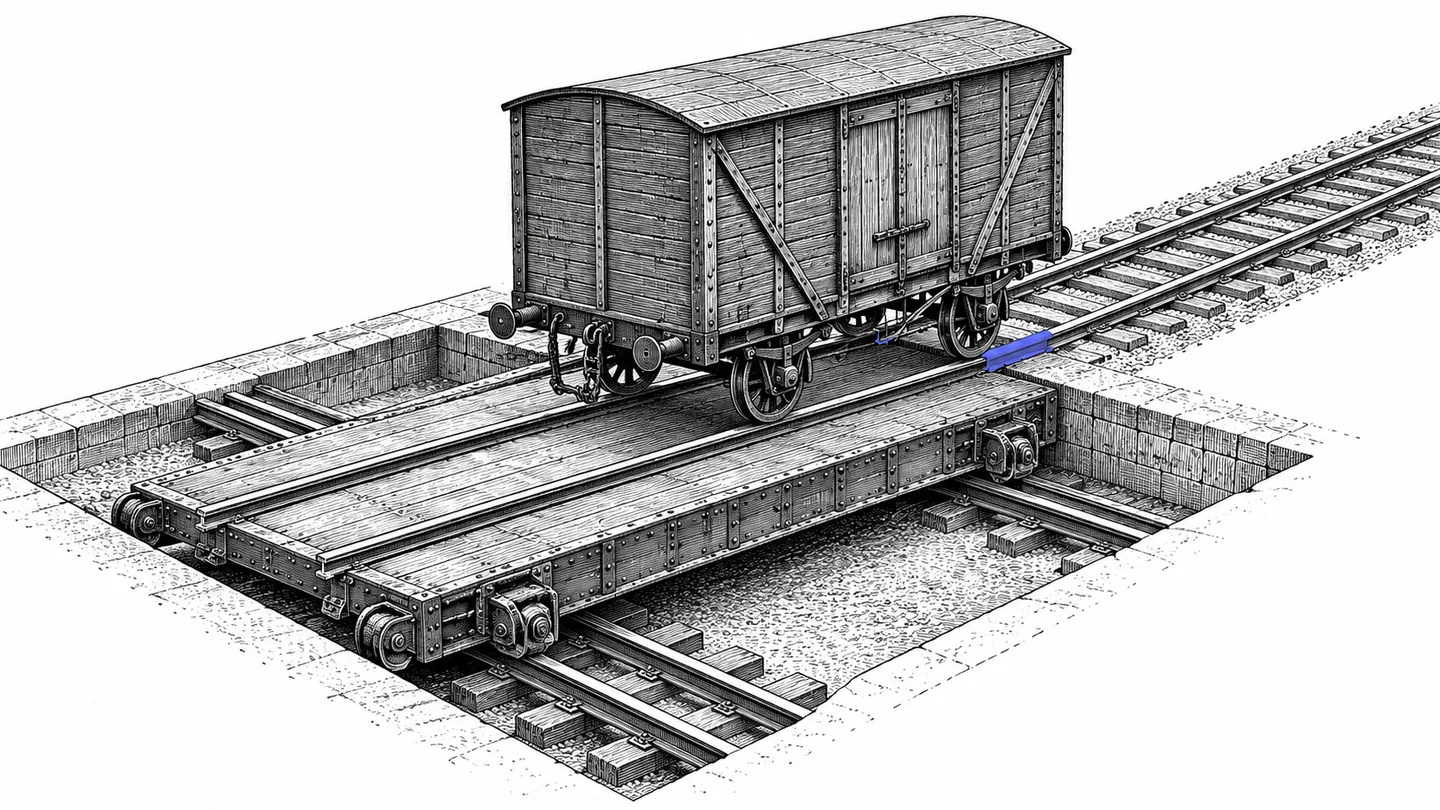
Being for sale and being sellable are not the same thing. Liquidity is a designed outcome, not a discovered one.
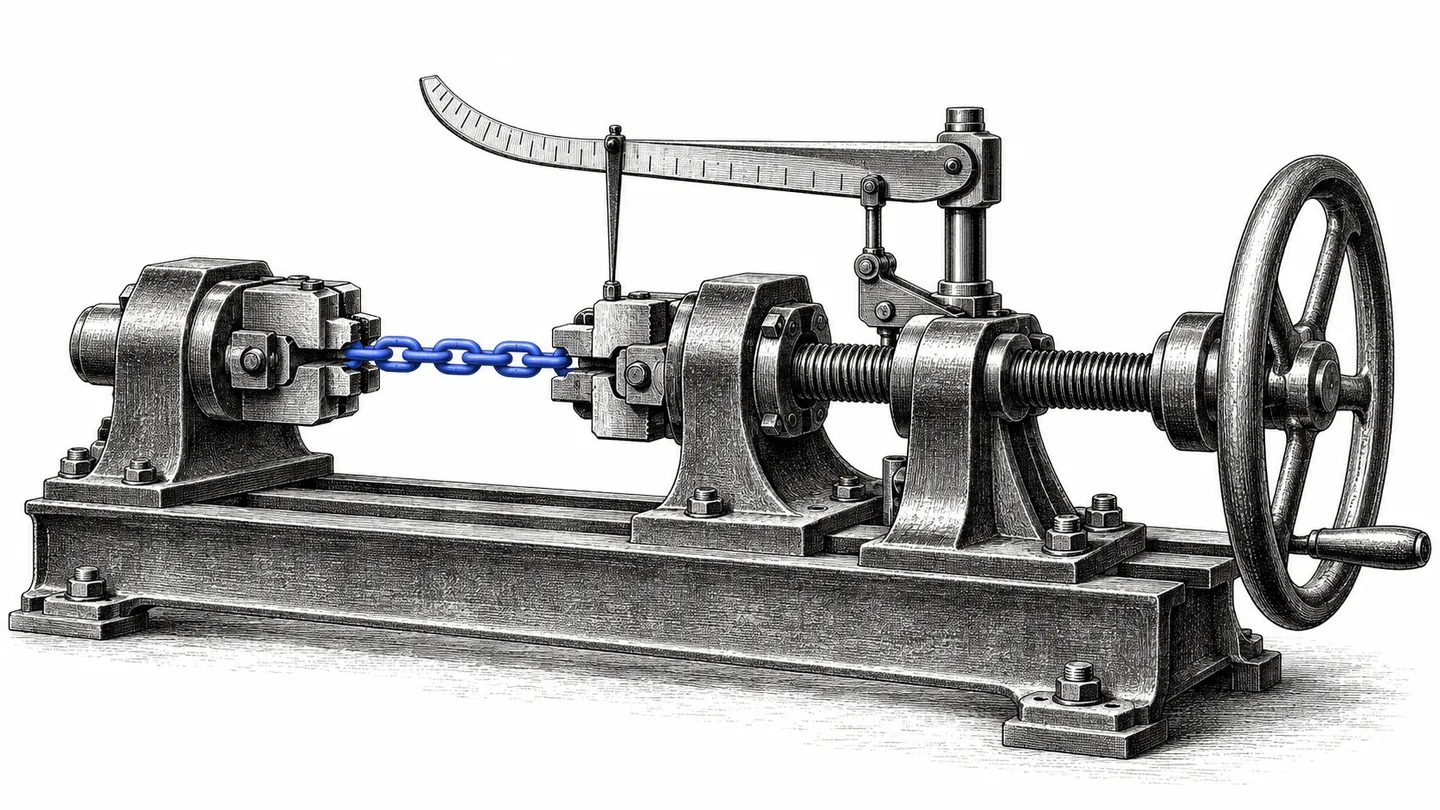
The one-evening exercise that halves your sale timeline and stops buyers negotiating against your silence.